 LO
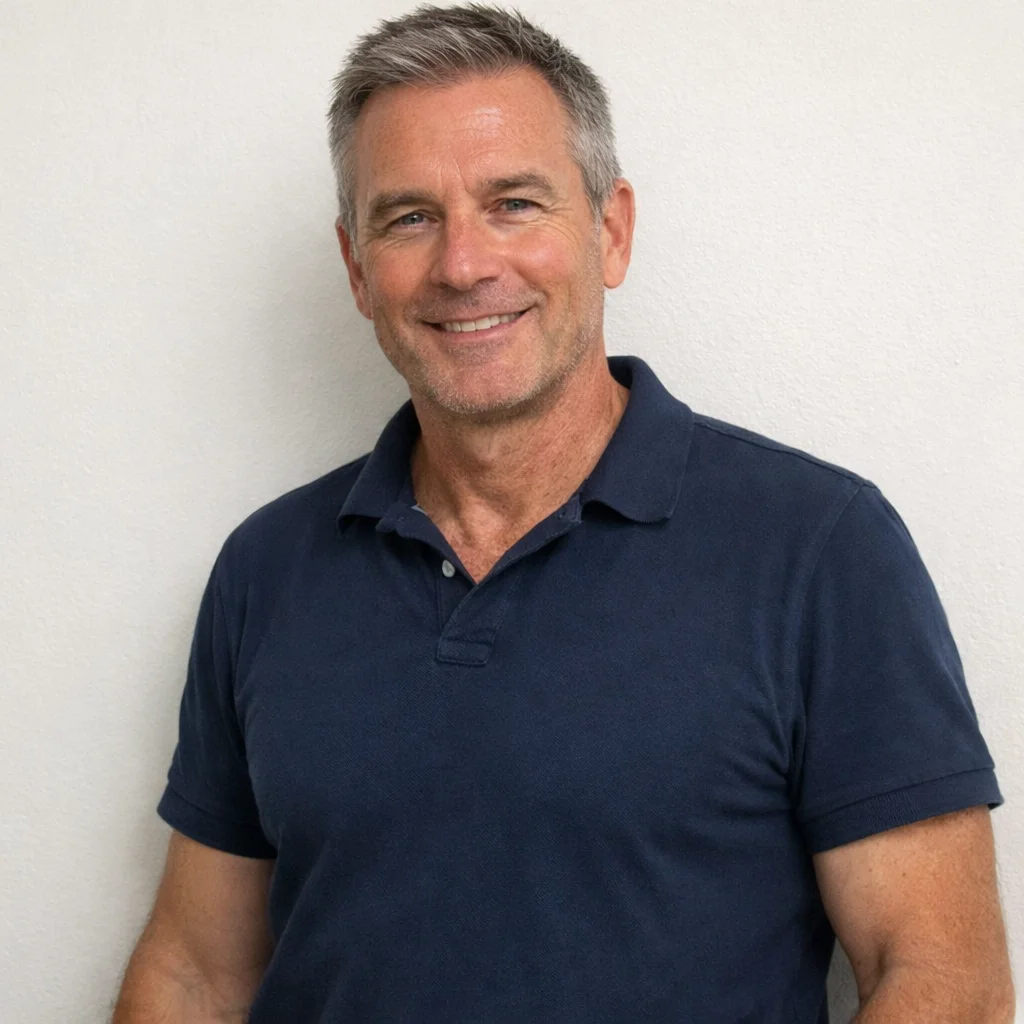
Liam O'Brian
Longevity Researcher
Background
Liam O'Brian's career has been dedicated to a single question: can we protect cognitive function before it starts to fade? With over 15 years of experience in the longevity space, his work focuses on the modifiable biological signals that appear years or decades before serious symptoms become noticeable. His research analysis consistently demonstrates that many of these signals are modifiable through lifestyle intervention and targeted, evidence-based supplementation.
This prevention-focused lens shapes everything he contributes to Neurum. Rather than waiting for decline to happen, O'Brian focuses on the proactive strategies that people in their 30s, 40s, and 50s can adopt now to protect their cognitive health for the coming decades.
Research Philosophy
"We spend enormous resources fighting diseases after they develop. I'm interested in the decades before -- the period where small, consistent interventions can redirect the trajectory of brain aging. A 40-year-old who optimizes their omega-3 intake, maintains their exercise habit, and addresses their vitamin D deficiency is making a fundamentally different bet on their cognitive future than someone who waits for a diagnosis at 70."
Contribution to Neurum
Liam focuses on longevity-oriented ingredients and neuroprotective strategies. He evaluates compounds through the lens of long-term brain maintenance rather than acute performance enhancement -- asking not "Will this help me focus today?" but "Will this protect my neurons over the next 30 years?"
- Neuroprotection and brain aging prevention
- NAD+ precursors (NMN, NR) and longevity compounds
- Omega-3 and neuronal membrane health
- Antioxidant defense systems (glutathione, ALA)
- Spermidine, autophagy, and cellular cleanup
- BDNF, NGF, and neurotrophic support
Research Methodology
Longitudinal Perspective
Prioritizes evidence from long-term studies and epidemiological data. A compound's 20-year impact matters more than its 2-hour effect for neuroprotection goals.
Mechanism Plausibility
Neuroprotective claims must have a clear, validated biological mechanism. "Antioxidant" alone is not sufficient -- the compound must actually reach the brain and address a relevant pathway.
Risk-Benefit for Decades
Long-term supplementation requires an even higher safety bar than acute use. Compounds recommended for neuroprotection must have extensive safety data over extended periods.
Lifestyle Integration
No supplement replaces exercise, sleep, and social engagement for brain aging. These are listed as primary interventions, with supplements as adjuncts.